
Scaffolds are part of the New York City skyline, on new construction, renovation sites, and older buildings under facade repair. When a scaffold collapses, a platform shifts, or a worker or passerby is struck by something that falls, the legal questions reach well beyond the accident itself. Bisogno & Meyerson, LLP reviews scaffold and fall-related injury matters for people in Brooklyn, Staten Island, and the other boroughs. The firm’s office is at 7018 Fort Hamilton Pkwy, Brooklyn, NY 11228. Staten Island and other NYC clients are represented from Brooklyn.
This page focuses on the New York statutes that frame these claims and on the early decisions that matter. For hands-on detail about equipment and common failure points, see the firm’s page on scaffolding and ladder accidents. For the wider category, see construction accidents and fall from heights.
Two Tracks for an Injured Worker
An employee hurt on a job site usually has a workers’ compensation claim. That system provides medical care and wage-replacement benefits without proof of fault, and in exchange it generally bars a lawsuit against the employer. Details are on the firm’s workers compensation in NYC page.
Compensation benefits do not always end the analysis. If someone other than the employer contributed to the accident, such as a property owner or a general contractor, a separate civil case may be possible. That is the subject of third-party workers compensation. The two tracks are coordinated, and each has its own forum and rules.
The New York Labor Law
Section 240(1)
New York Labor Law § 240(1), often called the Scaffold Law, applies to certain work on buildings and structures. It requires owners and contractors to provide scaffolds, ladders, hoists, and other safety devices that give proper protection against risks from elevation differences, such as falls from a height or being struck by a falling object. Courts apply it to specific kinds of work and to specific kinds of hazards, so not every fall at a job site is covered.
Sections 241(6) and 200
Section 241(6) imposes a duty on owners and contractors to follow safety rules adopted in the state Industrial Code. A claim under it generally depends on proving a violation of a specific provision. Section 200 and common-law negligence address unsafe conditions and the methods of work, and they often turn on who had supervision and control. Claims frequently plead all three sections together, and each has different elements.
Common NYC Scaffold Situations
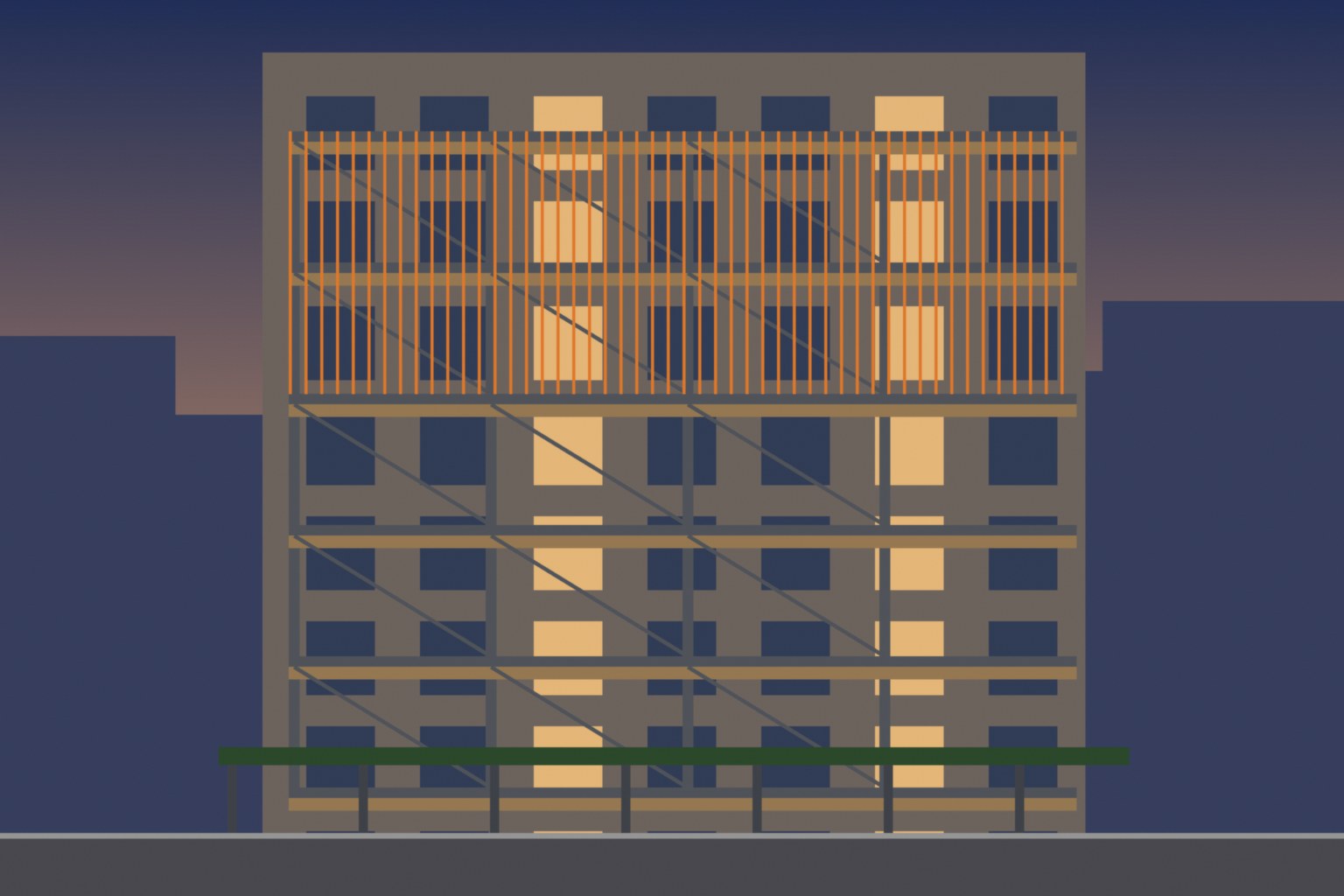
Scaffold cases involve a range of facts: a platform that was not fully planked, missing guardrails, an unsecured base or tie-in, a suspended scaffold or rope failure, an overloaded platform, or a worker without a harness or a place to tie off. Debris, tools, or building materials that fall from a height can also injure workers below and pedestrians on a sidewalk.
A person who is not a worker at the site is not covered by the Labor Law provisions above in the same way. A passerby hurt by falling material may instead have a negligence claim against the owner, the contractor, or both, and sidewalk sheds and street closures can add facts about who controlled the area. If a public agency owns or operates the site, notice requirements are strict and often measured in days.
Evidence and Early Steps
Get medical care first and tell the provider how the injury happened. Report the accident to the employer in writing if you can. Where it is safe to do so, photograph the area, scaffold components, and equipment, and note the names of coworkers and the companies working on the site. Keep the harness, boots, or tools you were using. Retain pay records and every letter from an insurer or the Workers’ Compensation Board. Be careful about detailed social media posts or recorded statements.
Deadlines and Comparative Fault
A work injury has more than one clock. A workers’ compensation claim has notice and filing requirements. Most New York personal injury lawsuits must be started within three years under CPLR 214, and claims against government entities can require a much earlier notice of claim. A consultation is a place to check dates, not a promise that a claim is timely or will succeed.
New York’s pure comparative negligence rule, CPLR 1411, reduces damages by the injured person’s share of fault in many cases. In a Labor Law case, a defendant may also argue that the worker’s own conduct was the sole cause of the accident. These defenses are fact-specific, and statutes and court decisions in this area can change, which is one reason to have the facts reviewed against current law. Our blog on comparative negligence in New York explains the general rule.
How Bisogno & Meyerson, LLP Reviews These Matters
Bisogno & Meyerson, LLP has concentrated in personal injury and workers’ compensation work since 1994. In a scaffold matter, the early work typically involves identifying every company on the site, collecting medical and employment records, requesting inspection and permit records, and sorting out which claims are available. None of that predicts a result. A short firm overview describes the practice.
Talk With Our Firm About a Scaffold Injury
If you or a family member was hurt in a scaffold or fall accident in New York City, Bisogno & Meyerson, LLP can review what happened and explain possible next steps. A free consultation is a conversation about facts, deadlines, and options. It is not a prediction of liability or of any recovery, and every case is different, so speak with an attorney about your own situation.
Call (718) 745-8880 or contact us. Attorneys on the site are Patrick Bisogno, Esq.; Michael C. Meyerson, Esq.; and George A. Silva, Esq. Bring any photos and paperwork.
Attorney Advertising. This page is general information from Bisogno & Meyerson, LLP, not legal advice. Contacting the firm does not, by itself, create an attorney-client relationship.