
People use the phrase “defective products” to mean anything that broke, burned, or failed. New York law is narrower. A product can injure someone and still not support a claim. A claim can also exist even when the user was careful. The legal question is whether the product was not reasonably safe because of its design, because a particular unit was made incorrectly, or because warnings and instructions were inadequate—and whether that defect was a substantial factor in causing the injury.
This article explains those categories in plain language. It is not a case evaluation. For a city-focused lander on how Bisogno & Meyerson, LLP reviews these matters, see product liability lawyer in New York City. The practice hub is product liability lawyer, within personal injury law.
Three Ways a Product Can Be Defective
New York recognizes strict products liability, negligence, and warranty theories. Strict liability looks at the product as it left the seller, not at a single employee’s careless act. Negligence still matters when the proof shows a failure to use ordinary care in design, testing, inspection, or warnings. Warranty claims can rest on statements or implied promises about the goods.
Design
A design claim asks whether the product, as conceived, was not reasonably safe. Courts often weigh the risks of the design against its usefulness, including whether a safer alternative design was feasible, what it would have cost, and whether the product could still do its job. Many useful products carry residual risk. The existence of an injury does not prove the design was defective. Technical files—drawings, testing, standards, and comparison products—often matter, as does how the product was intended to be used. A later design change may be relevant to what the seller later knew. It does not, by itself, prove the earlier design was legally defective.
Manufacture
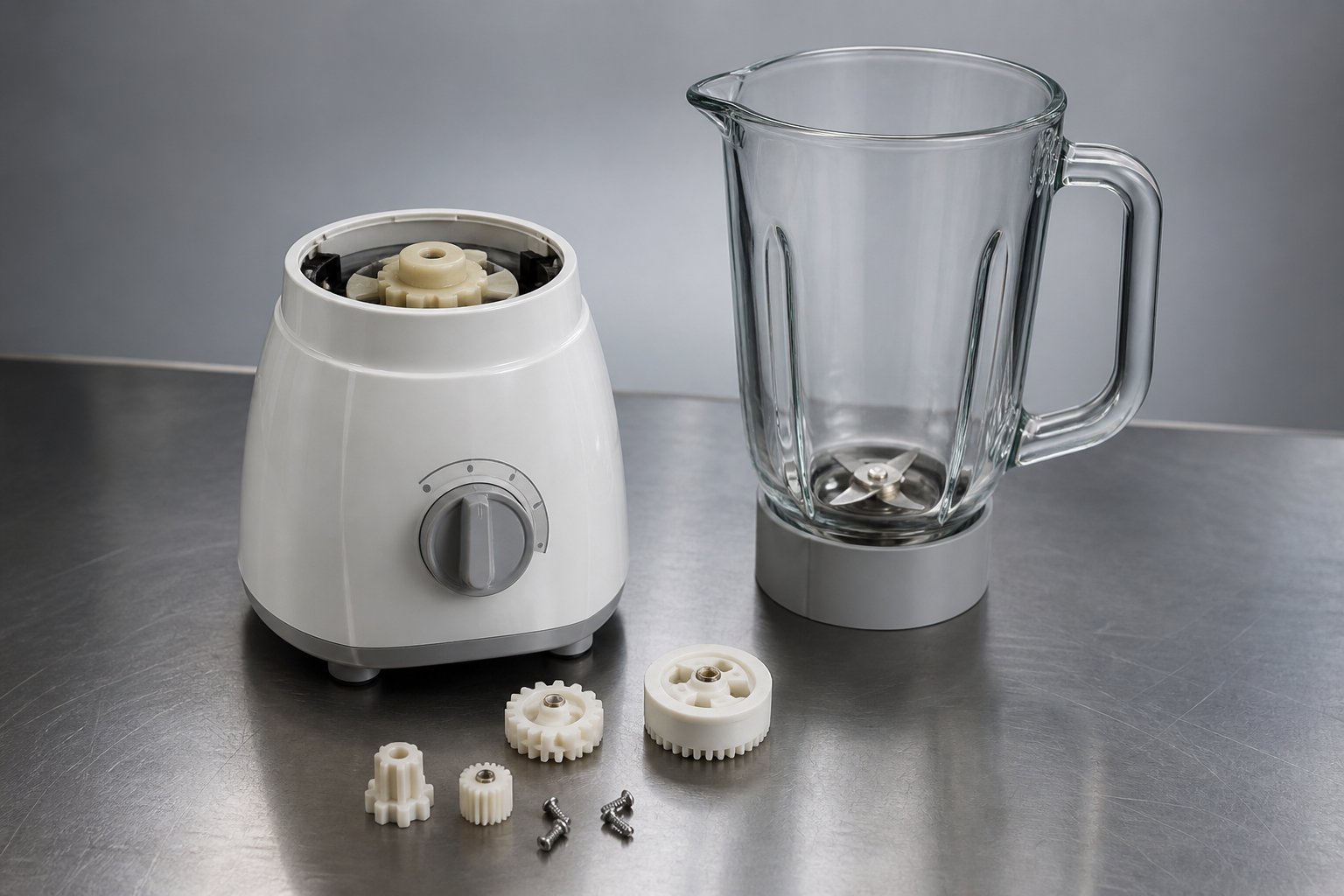
A manufacturing defect is a departure from the intended design in a particular unit or batch. The design on paper may be acceptable. This item was not built to that design. Missing fasteners, out-of-spec welds, contaminated materials, and assembly errors are typical fact patterns. The actual product is often the most important piece of proof. Once it is discarded, repaired without a record, or returned into inventory, it can be much harder to show how it differed from spec.
Warnings and Instructions
A product can be built as intended and still support a failure-to-warn theory if the seller did not give adequate information about latent dangers and reasonably foreseeable uses. Adequacy includes content, placement, and whether the warning could reach the person who needed it. Some dangers are obvious. The law treats obvious risks differently from hidden ones. A later recall, a revised manual, or a new on-product label can be part of the timeline of knowledge. A recall is not an automatic finding of liability.
What a Recall Does — and Does Not — Prove
Recalls are public events, so they get more attention than most product files. A recall can show that a seller later identified a problem, defined a population of units, and proposed a fix. That can be useful. It does not replace proof that your unit had the defect, that the defect caused your injury, and that the legal elements of a New York claim are met. Not every injury involving a recalled product is caused by the recalled condition. Not every dangerous product is recalled. Searching a model number against a government recall database is a reasonable first step. Treating a recall announcement as a verdict is not. This article does not list recall totals, injury totals, or typical case values.
Evidence Worth Keeping
If you can do so safely, keep the product, the box, manuals, receipts, lot and serial numbers, and any remaining pieces. Photograph the scene, the product, and injuries. Write down the date, place, and how the product was being used. Identify witnesses. Save emails or texts from the seller or retailer. If an employer, store, or landlord still has the item, a prompt written request to preserve it can reduce the chance it is thrown out. Preservation is not assured. Medical records connect the injury to the event. Do not post a running narrative of the incident online, return the only remaining unit without a plan to document it, or assume a retailer incident report is a complete file.
Workplace Products and Wrongful Death
When a tool, machine, or safety device injures someone at work, workers compensation may cover medical care and wage replacement as to the employer. A defective product can still support a separate civil claim against a non-employer in the chain of sale. Those paths should be coordinated because of Board liens and consent rules. See third-party workers compensation.
If a product-related injury is fatal, a wrongful death filing follows different parties and damage rules than an injury case brought by the person who was hurt. Deadlines also differ. Many New York personal injury lawsuits, including product claims, are subject to a three-year statute of limitations, with different rules possible depending on the theory, the defendant, and when the injury was discovered. Public-entity defendants can have much shorter notice periods.
How This Relates to Our NYC Product Page
Bisogno & Meyerson, LLP has concentrated in personal injury and workers’ compensation since 1994. Product cases are part of that injury practice. The city lander—product liability lawyer in New York City—is the conversion page. This blog is the explainer. The firm works from 7018 Fort Hamilton Pkwy, Brooklyn, NY 11228, and represents Staten Island and other NYC clients from that office.
A free consultation is a discussion of the product, the medical course, and possible theories. It is not a promise of liability or of any recovery. Call (718) 745-8880 or contact us. Attorneys on the site are Patrick Bisogno, Esq.; Michael C. Meyerson, Esq.; and George A. Silva, Esq.
Attorney Advertising. This page is general information from Bisogno & Meyerson, LLP, not legal advice. Contacting the firm does not, by itself, create an attorney-client relationship.