
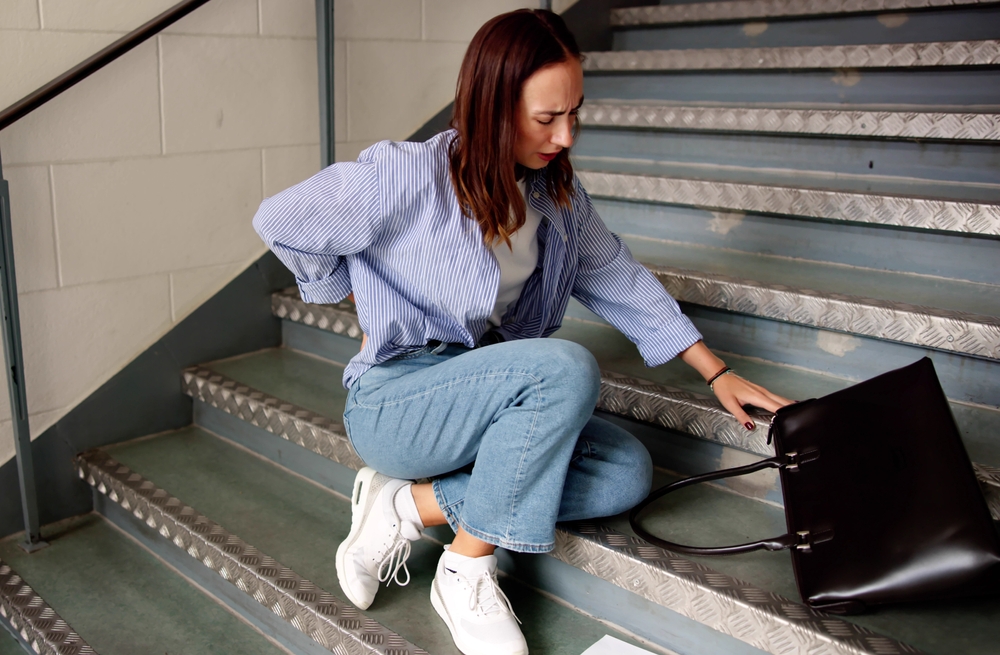
Slip-and-fall and trip-and-fall accidents can happen anywhere—on a wet grocery store floor, an icy walkway, a poorly lit hallway, a torn carpet, a broken step, or an uneven sidewalk. These incidents often lead to serious injuries such as head trauma, fractures, back and neck injuries, torn ligaments, and long-term mobility problems. Under New York premises liability law, property owners, landlords, building managers, and maintenance companies have a legal duty to inspect, repair, and maintain their premises in a reasonably safe condition and to warn of hazards when appropriate.
A strong slip-and-fall or trip-and-fall case often depends on proving that the responsible party created the dangerous condition or knew—or should have known—about it and failed to fix it within a reasonable time. Common hazards include spills and leaks, tracked-in water, snow and ice buildup, broken or uneven flooring, defective stairs, missing handrails, inadequate lighting, cluttered walkways, and unsafe parking lots or entryways.
Our Brooklyn slip-and-fall accident lawyers investigate injuries occurring in apartment buildings, private homes, hotels, restaurants, movie theaters, shopping centers, supermarkets, office buildings, sidewalks and walkways, construction sites, and public transportation facilities. We move quickly to preserve surveillance footage, incident reports, witness statements, cleaning logs, inspection records, prior complaints, and other evidence that can make or break a premises liability claim.
If your fall happened on property owned or maintained by a city, state, or other government entity, special rules may apply—including a Notice of Claim that may need to be filed within 90 days. Taking action early can help protect your right to seek compensation.
What is the difference between a slip-and-fall and a trip-and-fall?
A slip-and-fall is usually caused by a loss of traction—like water, oil, ice, or a slick surface. A trip-and-fall is typically caused by catching your foot on something—like uneven flooring, a broken step, torn carpet, clutter, or a raised surface.
Where do slip-and-fall and trip-and-fall accidents commonly happen in NYC?
Common locations include supermarkets, retail stores, restaurants, apartment buildings, lobbies, stairwells, sidewalks, parking lots, construction areas, and public facilities such as transit hubs and municipal buildings.
Do I have a case if there was no warning sign?
Potentially, yes. A lack of warning can help support a claim, but the key issue is whether the responsible party created the hazard or had notice of it and failed to repair it or warn people within a reasonable time.
What evidence is important after a slip-and-fall or trip-and-fall?
Photos/video of the hazard, witness information, incident reports, surveillance footage, cleaning logs, inspection records, prior complaints, and medical records can all be critical. If possible, document your footwear and clothing as well.
What if my fall happened because of snow and ice?
Snow and ice cases may involve issues like improper clearing, refreezing, and failure to treat known hazards. Liability depends on who controlled the area and whether they addressed winter conditions within a reasonable time.
Do special deadlines apply if a city or government entity is involved?
Yes. Claims involving a city, state, or other public entity may require a Notice of Claim within 90 days. Early legal guidance helps protect your rights and preserve evidence.
What compensation can I recover after a fall injury?
Depending on the case, compensation may include medical bills, lost wages, reduced earning capacity, pain and suffering, disability, scarring, and other damages. The value depends on injury severity and how the accident affects your life and work.