
Escalator and elevator accidents can cause severe injuries in seconds—especially when equipment is poorly maintained, improperly inspected, or allowed to operate with known hazards. Under New York premises liability law, property owners, building managers, contractors, and maintenance companies have a legal duty to keep elevators, escalators, and passenger conveyor belts reasonably safe for the public.
These incidents often occur in apartment buildings, office towers, hotels, shopping centers, airports, transit hubs, casinos, subway stations, and construction sites. Common causes include sudden stops, misleveling, defective doors, broken or uneven escalator treads, missing warning signs, inadequate lighting, unsafe handrails, worn traction surfaces, debris on steps, and slippery substances that are not cleaned or properly marked.
If you or a family member was injured because a dangerous condition existed on an elevator or escalator—and the responsible party knew or should have known about the hazard but failed to correct it—you may be entitled to compensation for medical bills, lost wages, future earning loss, pain and suffering, and other damages.
Our Brooklyn escalator and elevator accident lawyers act quickly to preserve surveillance footage, incident reports, maintenance and inspection logs, prior complaints, and repair records. When necessary, we work with engineering and safety experts to identify mechanical failures, code violations, improper maintenance, and all liable parties—including owners, management companies, contractors, inspectors, and manufacturers.
If your accident involved a city, state, or other government entity, a Notice of Claim may need to be filed within 90 days. Immediate investigation can be critical to preserving your rights and the evidence needed to prove liability.
What qualifies as an escalator or elevator accident in NYC?
Escalator and elevator accidents can involve sudden stops, misleveling, defective doors, falls on wet steps, uneven or damaged escalator treads, broken handrails, poor lighting, debris, or mechanical failures that cause injury while riding or entering/exiting the equipment.
Who can be held responsible for an escalator or elevator injury?
Liability may involve the property owner, building management, maintenance company, contractor, inspector, or manufacturer. Responsibility depends on who controlled maintenance and repairs and whether they knew—or should have known—about the hazardous condition.
What are common causes of escalator slip-and-falls?
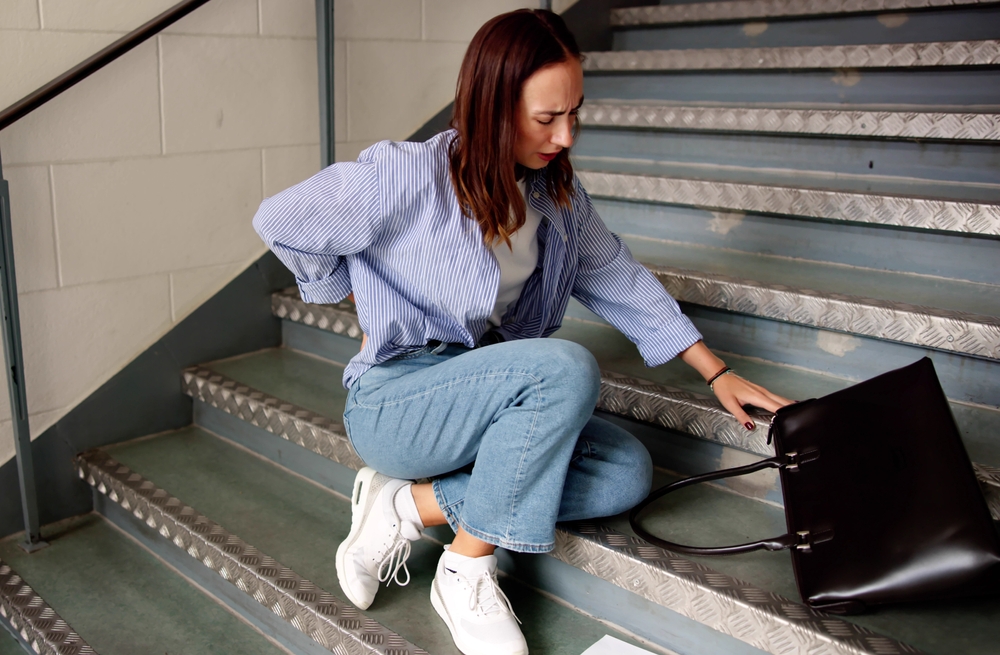
Common causes include oily or wet substances on steps, debris, worn traction surfaces, uneven or broken treads, missing warning signs, poor lighting, and failure to shut down unsafe equipment until it is repaired.
What evidence helps prove an elevator or escalator accident claim?
Helpful evidence can include surveillance footage, incident reports, eyewitness statements, photos of the equipment/scene, maintenance and inspection logs, prior complaints, repair histories, and expert evaluation of mechanical issues or code violations.
What if the accident happened at a subway station, airport, or other public facility?
Public facilities may involve government agencies or contracted maintenance companies. If a city, state, or other government entity may be responsible, special rules and deadlines can apply, and evidence should be preserved as soon as possible.
Do special deadlines apply if a government entity is involved?
Yes. If your claim involves a government entity, a Notice of Claim may need to be filed within 90 days. Waiting too long can jeopardize your ability to pursue compensation.
What compensation can I recover after an escalator or elevator injury?
Depending on the case, compensation may include medical bills, lost wages, reduced earning capacity, pain and suffering, disability, scarring, and other damages. The value depends on injury severity and impact on your daily life and work.